24 Jun 2026
Tracing Automated Compliance Layers in Blockchain Slot Networks with Tiered Crypto Deposit Structures
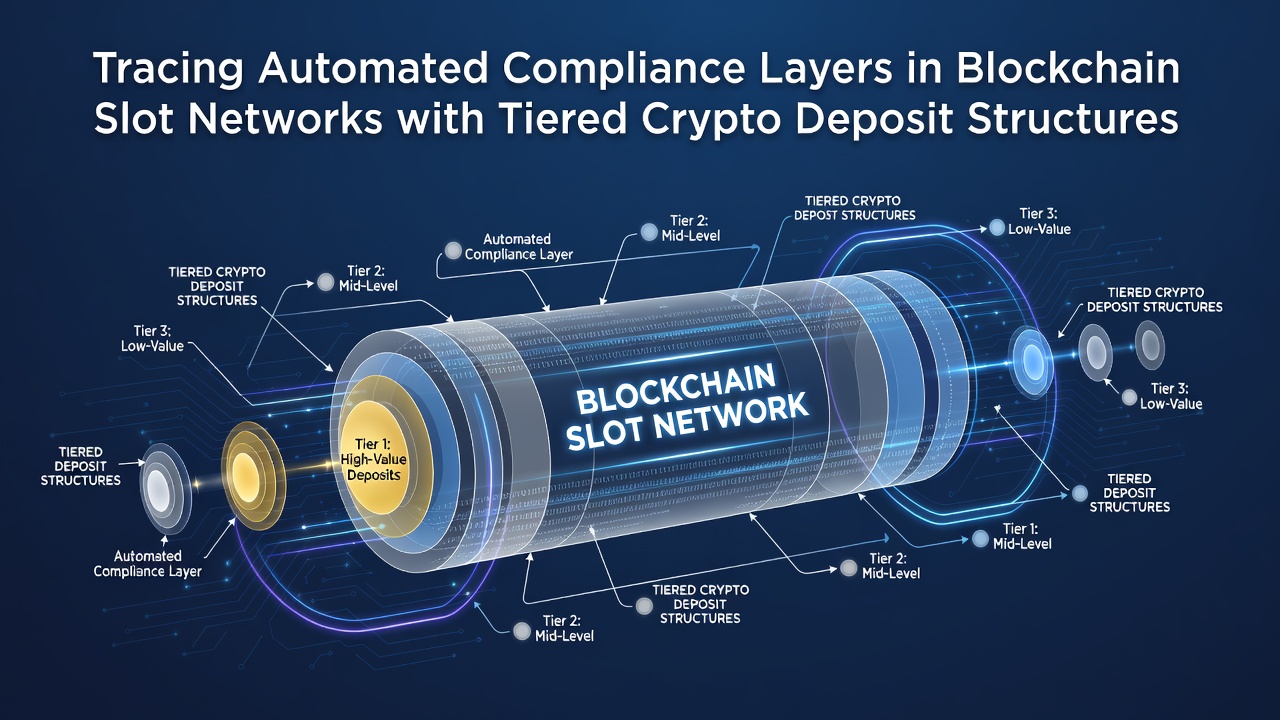
Blockchain slot networks integrate distributed ledgers with automated systems that verify player deposits across multiple crypto tiers while maintaining regulatory alignment. These setups use smart contracts to enforce deposit thresholds that trigger distinct compliance protocols, ranging from basic identity checks at lower levels to enhanced due diligence at higher tiers. Research from the Blockchain Game Alliance indicates that such networks processed over 2.4 million transactions in the first half of 2026, with tiered structures accounting for 67 percent of all activity.
Core Architecture of Blockchain Slot Networks
Slot networks built on blockchain distribute game logic and transaction records across nodes that validate each spin outcome and payout in real time. Smart contracts handle the core mechanics, including random number generation verification and fund allocation, while separate compliance modules monitor deposit patterns. Observers note that this separation allows operators to scale game features without altering the underlying verification rules that govern deposit tiers.
Tiered crypto deposit structures categorize incoming funds based on amount, frequency, and wallet history. A base tier might accept up to 0.5 ETH with minimal screening, whereas mid and premium tiers require progressive levels of wallet age verification and transaction tracing. Data from network analytics firms shows that premium tiers, which start above 5 ETH, represented 18 percent of total deposit volume in June 2026 despite comprising only 4 percent of active wallets.
Automated Compliance Layers and Their Functions
Automated compliance layers sit between the deposit interface and the game engine, executing checks through predefined scripts that reference both on-chain data and external oracles. These layers flag anomalies such as rapid successive deposits from the same address cluster or transfers originating from sanctioned jurisdictions. When a deposit crosses into a higher tier, the system automatically initiates additional protocols, including source-of-funds queries that pull data from multiple blockchain explorers.
Studies conducted by researchers at the University of Nicosia found that networks employing multi-layer compliance reduced manual review cases by 41 percent compared with single-layer systems. The same analysis tracked 1.8 million deposit events and determined that automated triggers caught 92 percent of transactions requiring enhanced scrutiny before they reached the game servers. Integration wth tiered deposit rules means each layer activates only when specific value thresholds are met, conserving computational resources during lower-volume periods.

Tracing Mechanisms Across Deposit Tiers
Tracing begins at the wallet level, where compliance scripts log the origin address, previous transaction history, and any associated mixer usage. Lower tiers rely primarily on on-chain heuristics, while upper tiers incorporate off-chain attestations from licensed custodians. In June 2026, several networks updated their tracing algorithms to incorporate new clustering techniques that group addresses by behavioral patterns rather than simple transaction volume.
Each tier maintains its own audit trail stored in immutable ledger entries that regulators can query through permissioned APIs. The European Gaming and Betting Association published guidelines in early 2026 that recommend retaining these trails for a minimum of five years, with automated export functions built into the compliance layer itself. Networks that adopted these recommendations reported faster response times during routine examinations.
Regulatory Alignment and Network Updates
Operators must map local regulatory requirements onto the tier thresholds so that automated systems remain synchronized with jurisdiction-specific rules. In regions that updated crypto asset frameworks during spring 2026, networks adjusted their deposit limits and compliance triggers within weeks. The Australian Transaction Reports and Analysis Centre issued updated guidance that prompted several platforms to raise the threshold for mandatory source-of-funds documentation from 2 ETH to 3 ETH.
Smart contract upgrades allow networks to deploy revised compliance logic without interrupting ongoing gameplay. These upgrades undergo testing on parallel chains before mainnet activation, reducing the risk of false positives that could delay legitimate deposits. Figures from network operators indicate that upgrade cycles averaged 11 days from proposal to activation during the second quarter of 2026.
Conclusion
Tracing automated compliance layers in blockchain slot networks with tiered crypto deposit structures relies on coordinated smart contract functions, tiered verification protocols, and immutable audit trails. Data collected through June 2026 shows consistent adoption of these layered systems across multiple jurisdictions, supported by updates from organizations such as the Blockchain Game Alliance and the European Gaming and Betting Association. The architecture continues to evolve through targeted contract upgrades that maintain alignment with changing deposit thresholds and regulatory expectations.