5 Jun 2026
Mapping Compliance Frameworks to Automated Feature Unlocks in Networked Slot Architectures Using Distributed Ledger Technologies
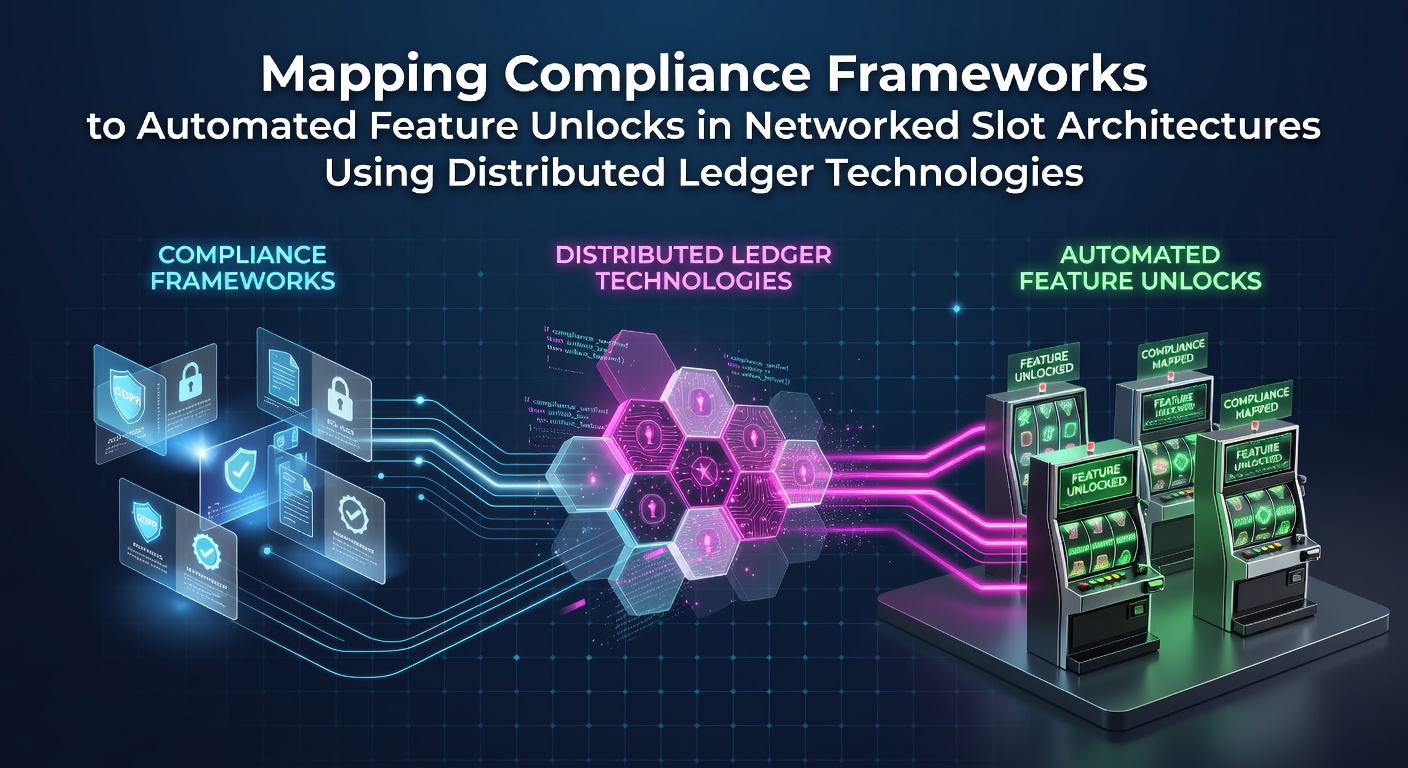
Networked slot architectures rely on interconnected systems that link individual gaming devices across multiple venues or online platforms, and distributed ledger technologies provide immutable records that support automated decision-making based on predefined rules. Compliance frameworks from regulatory bodies establish parameters for player eligibility, session limits, and responsible gaming protocols, while feature unlocks in slot machines activate bonus rounds, progressive jackpots, or custom reel configurations once those parameters receive verification. Researchers at institutions studying gaming technology have examined how smart contracts on distributed ledgers execute these mappings without manual intervention, creating direct pathways from regulatory data inputs to machine outputs.
Core Components of Distributed Ledger Integration
Distributed ledger technologies maintain synchronized databases across nodes that record transactions and compliance events in real time, which allows slot networks to query player status against regulatory thresholds before enabling advanced features. Each node validates entries using consensus mechanisms, so alterations to compliance data require network-wide agreement and leave permanent audit trails. Observers note that this setup reduces latency in feature activation because the ledger serves as a single source of truth rather than relying on separate centralized databases that often require reconciliation steps.
Smart contracts encode compliance rules as executable code, such as age verification checks or deposit limit enforcements, and they trigger feature unlocks only when all conditions align. For instance, a contract might reference a player's verified identity hash stored on the ledger, cross-check it against jurisdictional databases, and then release access to multiplier reels or free spin sequences. Data from pilot programs in regulated markets shows that these contracts execute within milliseconds once inputs arrive from connected identity providers or financial rails.
Mapping Specific Compliance Elements to Feature Triggers
Regulatory frameworks typically cover identity verification, spending caps, self-exclusion lists, and time-based session controls, each of which maps to distinct unlock conditions within slot software. Identity verification data on the ledger can gate access to high-limit betting modes or tournament entries, while spending cap information prevents feature activation once a player reaches predefined thresholds. Self-exclusion records block all unlocks for affected accounts by embedding those flags directly into the contract logic that governs machine responses.
In June 2026, updates to several state-level gaming statutes required real-time reporting of session metrics, which accelerated adoption of ledger-based triggers that automatically disable bonus features when cumulative play exceeds limits. Network operators integrated these requirements by updating contract parameters across their distributed systems, ensuring that feature availability reflected the latest regulatory adjustments without requiring firmware updates on every terminal.
Technical Architecture and Data Flows
Slot architectures in networked environments consist of edge devices that handle reel mechanics and player interfaces, connected to central servers that manage game logic and now interface with distributed ledgers for compliance checks. Data flows begin when a player initiates a session, prompting the system to query the ledger for relevant compliance entries before any feature beyond base gameplay becomes available. Once verified, the smart contract issues a cryptographic token that the slot software interprets as authorization for the unlock, and this token expires or revokes automatically if conditions change.
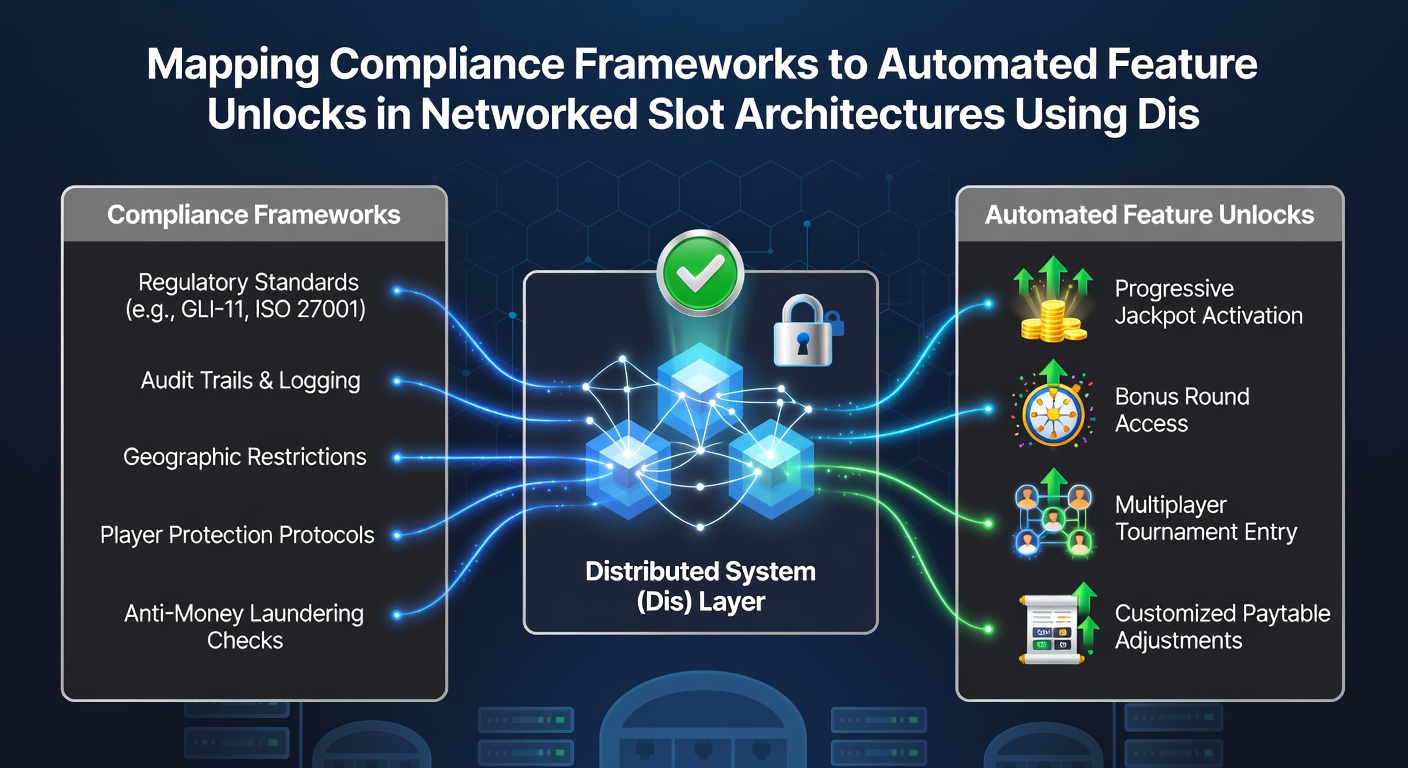
Encryption standards protect sensitive player information while still allowing contract execution, and zero-knowledge proofs enable verification without exposing full personal details to the network. Those who've studied implementations report that throughput scales effectively when sharding techniques partition ledger data by jurisdiction, keeping query times low even as the number of connected machines grows into the thousands.
Regulatory Examples Across Jurisdictions
The Nevada Gaming Control Board has outlined requirements for auditability that align with ledger immutability, allowing operators to demonstrate compliance through on-chain records rather than periodic manual submissions. Similar approaches appear in Australian regulatory guidance, where state commissions emphasize automated enforcement of harm minimization tools, and distributed ledgers supply the mechanism for instant application of those tools to feature availability. Academic analyses from research centers have compared these models and found that ledger-based mapping reduces discrepancies between reported and actual play patterns by maintaining continuous synchronization.
Implementation Challenges and Observed Solutions
Interoperability between legacy slot management systems and newer ledger protocols requires middleware layers that translate traditional API calls into blockchain transactions, yet several deployments completed in early 2026 demonstrated successful bridging without service interruptions. Scalability concerns arise during peak usage periods, but solutions involving layer-two networks and optimized consensus algorithms have addressed transaction volume increases reported by large operators. Security audits conducted by independent firms continue to verify that private keys and access controls prevent unauthorized modifications to compliance mappings.
Conclusion
Distributed ledger technologies enable precise mapping of compliance frameworks onto automated feature unlocks by embedding regulatory logic into executable contracts that govern networked slot operations. As more jurisdictions refine their rules around real-time enforcement, the technical patterns established in current architectures provide templates for broader application across gaming environments. Continued refinement of these systems depends on collaboration between technology providers, regulators, and standards organizations to maintain both security and operational efficiency.