12 Jul 2026
Intersections of Verification Protocols with Dynamic Reward Unlocks Across Ledger-Based Wheel and Card Networks
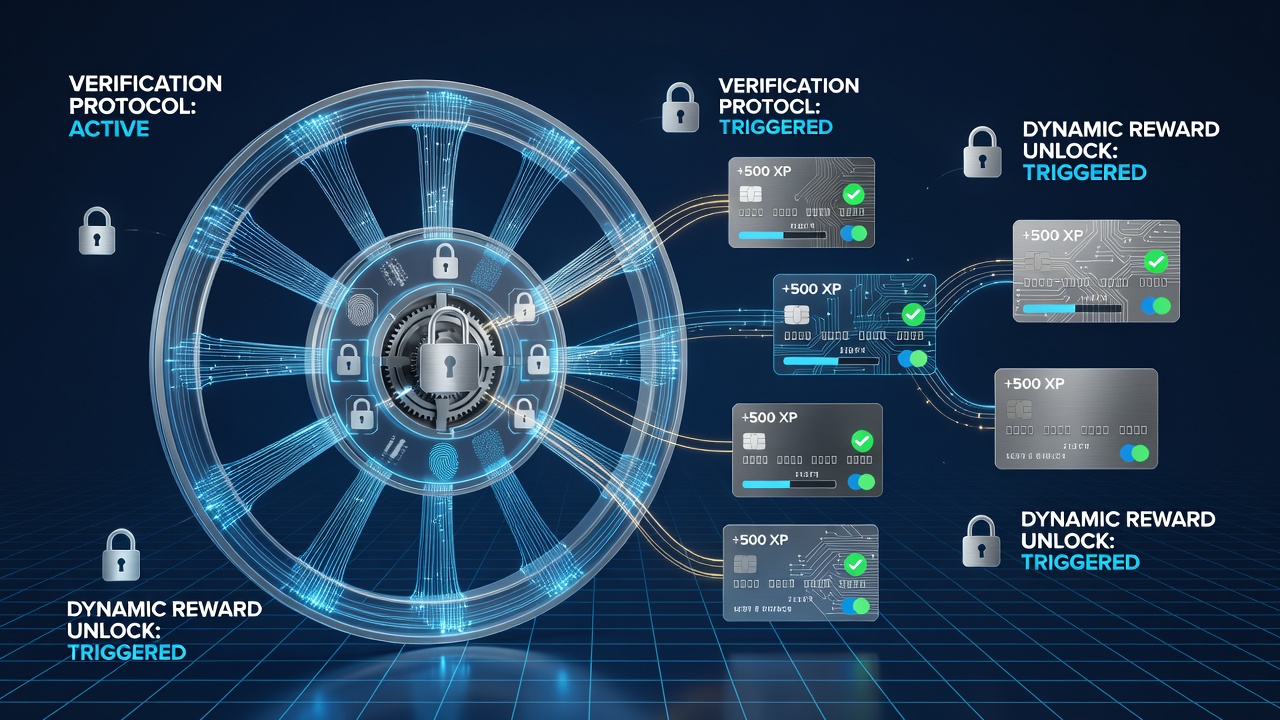
Verification protocols serve as foundational layers in ledger-based networks that power wheel and card games, while dynamic reward unlocks operate through smart contract mechanisms that adjust incentives based on real-time conditions. These systems rely on distributed ledgers to record transactions, validate player actions, and release rewards without centralized intermediaries. Data from industry reports indicate that such integrations have expanded significantly by July 2026 across multiple blockchain platforms handling roulette-style wheels and various card formats.
Core Components of Ledger-Based Networks
Distributed ledgers maintain immutable records of every spin, deal, and wager in wheel and card environments, and this structure enables automated verification that checks compliance before any reward activates. Verification protocols typically include cryptographic signatures, multi-factor authentication tied to wallet addresses, and consensus algorithms that confirm network states. Dynamic reward unlocks then trigger when predefined thresholds appear on the ledger, such as consecutive wins or accumulated play volume, releasing bonuses directly into player accounts through executable code.
Observers note that wheel networks often process faster transaction cycles compared to card systems, yet both depend on identical verification layers to prevent double-spending or unauthorized access. Researchers at academic institutions have documented how these protocols reduce latency in reward distribution while maintaining audit trails that regulators can review.
Verification Protocols in Practice
Protocols operate through layered checks that begin with wallet authentication and extend to behavioral analysis recorded on-chain. In wheel networks, each rotation outcome gets hashed and timestamped immediately after settlement, allowing subsequent reward calculations to reference verified results without manual intervention. Card networks follow similar patterns, though they incorporate additional steps for hand verification and deck shuffling proofs that smart contracts execute automatically.
According to information available through the Malta Gaming Authority, several licensed operators have adopted these verification standards to align with evolving compliance requirements. The process ensures that dynamic unlocks only occur after all protocol gates pass, creating a sequential flow from wager placement through outcome confirmation to reward release.
Dynamic Reward Mechanisms Across Game Types
Reward systems adjust parameters in real time based on ledger data, and wheel games frequently feature multipliers that scale with verified streak lengths while card variants unlock tiered cashback tied to session duration. These unlocks function via conditional statements embedded in smart contracts that monitor cumulative metrics across player addresses. Studies published by research groups show that such automation has led to measurable increases in transaction throughput on networks supporting both game categories.
One notable implementation involves progressive reward pools that activate only after verification confirms sufficient network participation, preventing premature distributions that could destabilize the system. Card networks add complexity through hand-ranking algorithms that feed directly into unlock logic, whereas wheel systems rely primarily on numerical outcome verification.

Integration Challenges and Technical Solutions
Intersections between verification and rewards create points where timing mismatches can occur, yet developers address these through synchronized clock mechanisms and oracle feeds that supply external data to the ledger. In July 2026, several networks reported upgrades to their consensus layers that improved the speed of these intersections without compromising security. Wheel platforms benefit from simpler outcome structures that allow quicker verification cycles, while card environments require more robust proof systems to handle variable hand combinations.
Technical literature from engineering conferences describes hybrid approaches that combine zero-knowledge proofs with standard signature checks, enabling faster reward unlocks while preserving privacy across both game types. These solutions maintain ledger integrity even as transaction volumes rise during peak periods.
Regulatory Alignment and Network Evolution
Regulatory frameworks in multiple jurisdictions now reference specific verification standards for ledger-based gaming, and operators adjust their protocols accordingly to maintain operational licenses. The Victorian Commission for Gambling adn Liquor Regulation has issued guidance documents that touch on automated reward systems in blockchain contexts. Networks respond by embedding compliance checkpoints directly into their smart contract logic, ensuring dynamic unlocks align with jurisdictional rules before execution.
Evolution continues as new ledger architectures incorporate enhanced verification modules tailored to wheel and card mechanics, with data indicating steady adoption rates through the first half of 2026. These developments reflect ongoing efforts to balance operational efficiency with oversight requirements across distributed environments.
Conclusion
Verification protocols and dynamic reward unlocks intersect at multiple points within ledger-based wheel and card networks, creating automated pathways that handle authentication, outcome confirmation, and incentive distribution through coordinated smart contract execution. Technical implementations continue to refine these intersections as adoption grows, supported by data from regulatory bodies and research institutions that track performance metrics across platforms. The resulting systems maintain transparent records while enabling responsive reward structures that adapt to verified player activity in real time.