12 Jun 2026
Decoding Linkages Between Algorithmic Fairness Audits and Layered Reward Calibrations Across Decentralized Ledger Slot Networks in Multi-Jurisdictional Setups
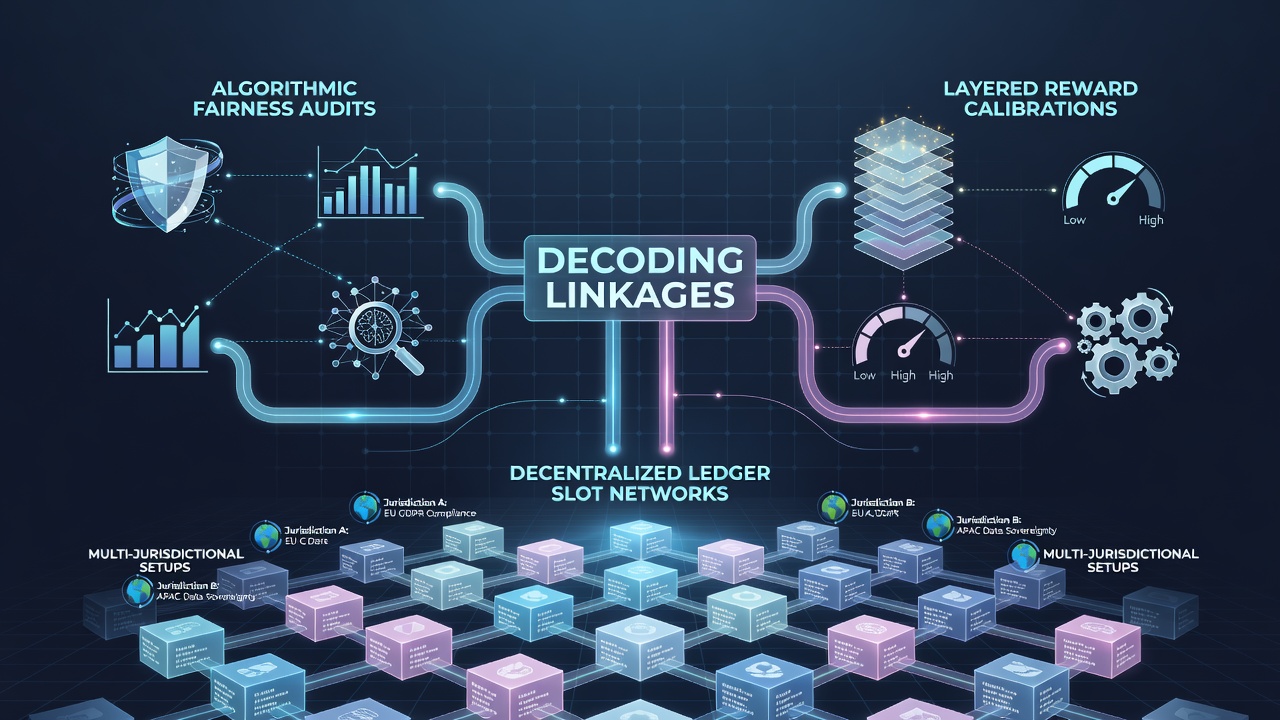
Decentralized ledger slot networks operate through distributed blockchain protocols that record every spin outcome, reward distribution, and player interaction in immutable blocks, and these systems now face increasing pressure to align with algorithmic fairness audits that examine whether machine learning models treat users equitably across demographic segments. Layered reward calibrations refer to multi-tier adjustment mechanisms that modify payout probabilities and bonus structures in real time based on network conditions, regulatory inputs, and historical play data, while multi-jurisdictional setups require these calibrations to satisfy conflicting rules from different licensing authorities simultaneously.
Core Components of Algorithmic Fairness Audits in Gaming Networks
Researchers at institutions tracking digital gaming infrastructure have documented how fairness audits evaluate slot algorithms for bias in random number generation outputs and reward allocation patterns, and these evaluations often incorporate statistical tests that measure outcome distribution across player cohorts defined by geography, device type, and deposit behavior. Data from 2025 industry reports indicate that audits now integrate blockchain transaction logs to verify that smart contract executions match declared probability parameters, whereas earlier audit methods relied solely on centralized server logs that proved vulnerable to selective reporting.
Integration Points with Layered Reward Systems
Layered reward calibrations adjust base game returns, progressive jackpot contributions, and loyalty multipliers through separate algorithmic layers, and each layer receives inputs from audit findings that flag disproportionate reward frequencies in specific player groups. Observers note that when an audit detects over-allocation to high-volume players in one jurisdiction, calibration protocols automatically reduce multiplier values for that cohort while preserving overall return-to-player percentages, and this adjustment occurs via smart contract updates that propagate across the decentralized network within minutes of approval.
Decentralized Ledger Architecture Supporting Slot Operations
Slot networks built on decentralized ledgers use consensus mechanisms such as proof-of-stake variants tailored for gaming throughput, and these mechanisms validate every bet placement and payout event without requiring a central operator to maintain the authoritative record. Figures released by European technology research groups in early 2026 show that transaction finality times average under four seconds on optimized gaming chains, which enables near-instant verification of fairness audit results before they trigger reward recalibrations.
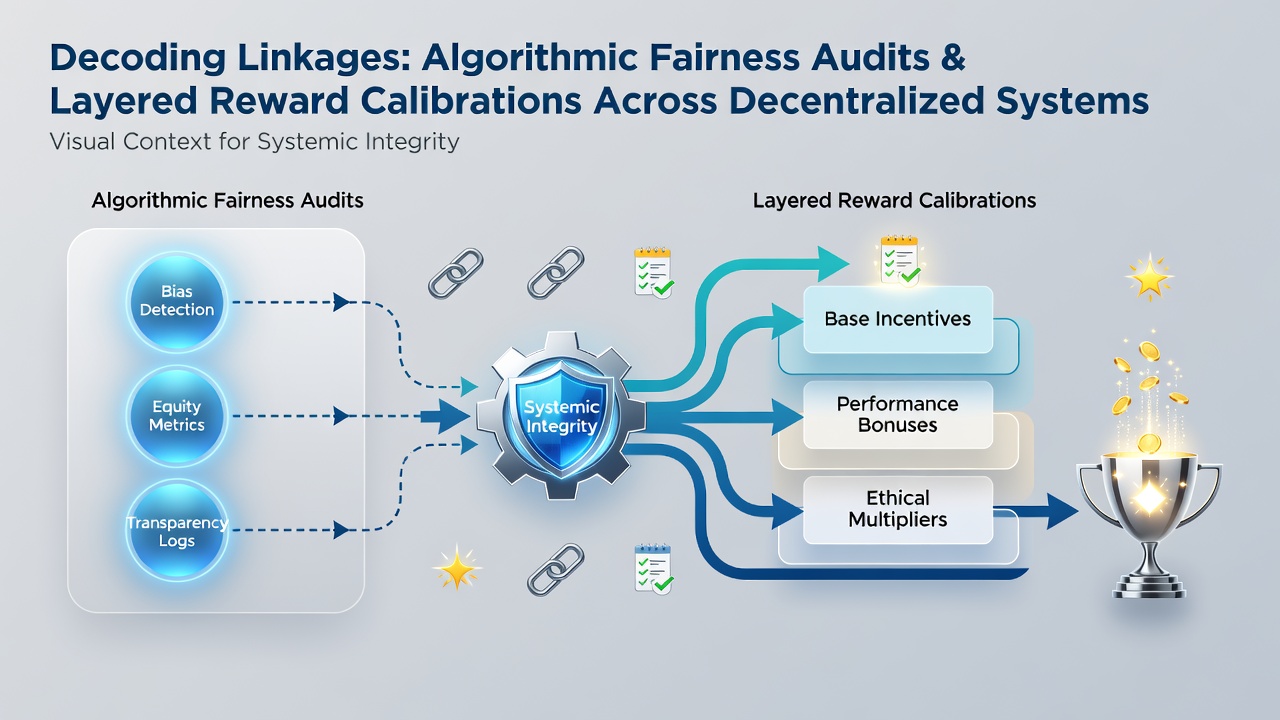
Smart contracts encode the calibration rules directly, so changes approved through audit processes execute automatically once governance tokens or designated validators reach consensus, and this automation reduces the window during which non-compliant reward structures remain active in any participating jurisdiction.
Navigating Multi-Jurisdictional Regulatory Overlaps
Operators managing networks across multiple regions must reconcile audit requirements from bodies such as the Pennsylvania Gaming Control Board with those issued by Singapore's regulatory authorities, and these requirements frequently differ in the granularity of demographic data that must be analyzed during fairness reviews. In June 2026 several licensing jurisdictions updated their technical standards to mandate that calibration logs include cryptographic proofs linking each reward adjustment to a completed audit cycle, and networks that failed to demonstrate these linkages faced temporary suspension of cross-border play features.
Academic studies published through collaborative research programs between North American and Asian universities have mapped how conflicting fairness thresholds affect calibration stability, and the studies found that networks employing jurisdiction-specific parameter sets achieve higher compliance rates than those attempting uniform global calibrations. Compliance frameworks therefore route audit outputs through middleware that translates findings into jurisdiction-appropriate calibration commands before broadcasting them to the ledger.
Technical Mechanisms Linking Audits to Calibrations
The linkage process begins when an audit module ingests anonymized ledger data and runs bias detection algorithms, after which flagged discrepancies generate calibration directives that specify exact multiplier or probability shifts for designated player segments. These directives pass through validation nodes that confirm the proposed changes preserve the network-wide expected return before the directives are committed as new smart contract states, and the entire sequence typically completes within a single block interval on high-throughput gaming chains.
Case examples from operational networks reveal that when one jurisdiction imposes stricter equity metrics than another, the calibration layer activates differential weighting that applies stricter constraints only to sessions originating from the stricter territory while allowing broader parameters elsewhere, and this selective application relies on geofencing data embedded in transaction metadata.
Conclusion
Linkages between algorithmic fairness audits and layered reward calibrations in decentralized ledger slot networks continue to evolve as regulators in separate jurisdictions refine their technical standards, and the resulting systems demonstrate measurable improvements in documented compliance metrics when cryptographic audit trails feed directly into automated calibration routines. Ongoing research tracks how these integrated mechanisms perform under increasing transaction volumes and expanding geographic footprints.