21 Jun 2026
Decoding algorithmic audit trails that govern multiplier escalations in decentralized reel ecosystems tied to cross-border token gateways
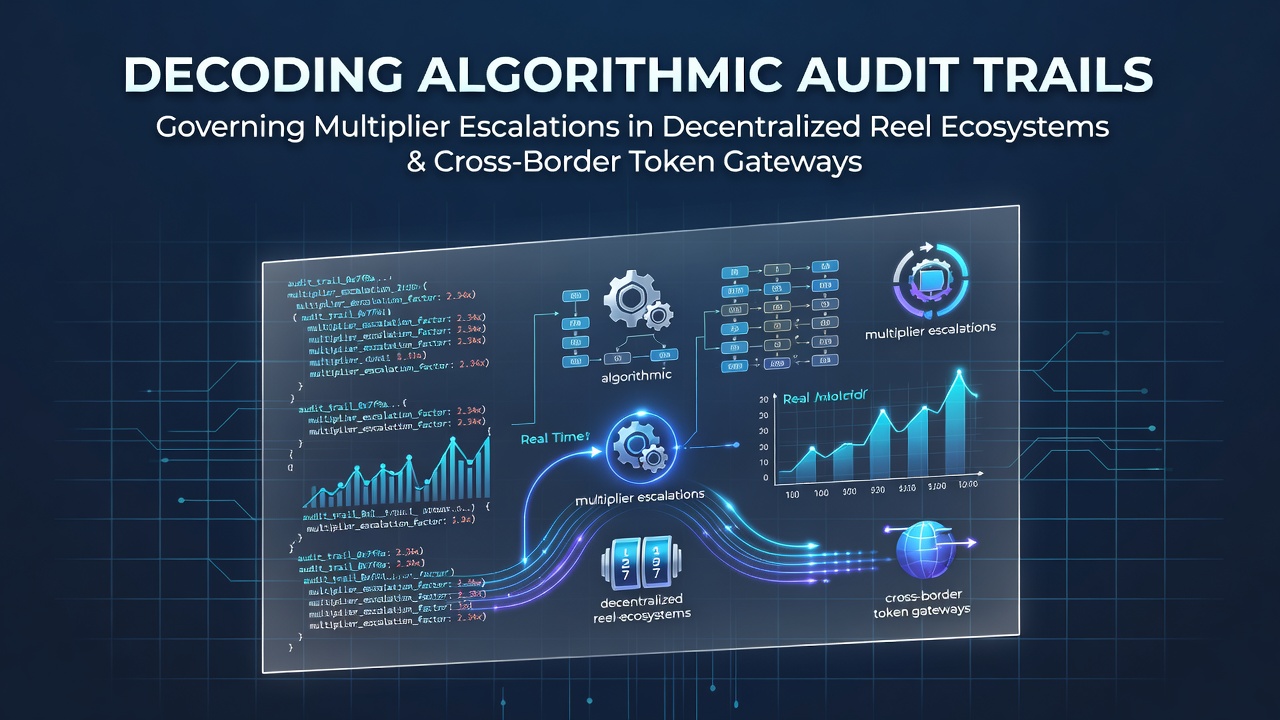
Algorithmic audit trails function as immutable records within blockchain environments that track every adjustment to multiplier values across reel sequences in decentralized gaming systems. These trails log each computational step where base multipliers increase based on predefined triggers such as consecutive symbol alignments or accumulated token volumes. Researchers examining distributed ledger implementations note that the trails rely on cryptographic hashing to ensure tamper resistance while allowing verification by network participants.
Multiplier escalations occur when algorithms detect specific patterns in reel spins and apply incremental factors that compound across rounds. In decentralized reel ecosystems the process integrates smart contract logic that executes automatically once conditions stored on the chain are met. Observers tracking these systems point out that escalation rules often incorporate variables like player deposit history and network congestion metrics to modulate the rate of growth.
Core Components of Audit Trail Architecture
Audit trails in these ecosystems combine transaction logs with state transition data that records the precise moment a multiplier shifts from one value to another. Each entry contains timestamps, originating wallet addresses, and references to the governing smart contract version. Data from multiple chain analyses shows that such structures enable real-time querying by authorized nodes without exposing underlying player identities beyond their hashed equivalents.
Cross-border token gateways introduce additional layers where value transfers between jurisdictions trigger secondary audit events. These gateways validate token provenance through consensus mechanisms before routing funds into reel ecosystems. In June 2026 several network operators reported increased gateway traffic volumes that correlated with spikes in multiplier activity across connected reel instances.
Mechanics of Multiplier Escalation in Decentralized Reels
Decentralized reel ecosystems operate through nodes that collectively validate spin outcomes and apply multiplier rules encoded in on-chain parameters. Escalation begins when an initial reel alignment meets threshold criteria stored in the contract, prompting an automatic factor increase that persists for subsequent spins until reset conditions activate. Studies of similar architectures reveal that escalation curves follow exponential rather than linear patterns in many deployments to balance payout distribution across the network.

Token gateways facilitate the movement of assets denominated in various cryptocurrencies across regulatory boundaries while maintaining compliance checkpoints. Each transfer generates an audit entry that links the incoming token amount to the multiplier state at the moment of receipt. Those monitoring gateway protocols note that latency variations between regions can influence the timing of escalation triggers when token confirmations arrive out of sequence.
Integration Challenges Across Jurisdictions
Regulatory frameworks in different regions impose distinct requirements on how audit trails must be preserved and made accessible. European authorities have examined models where trails remain fully on-chain yet permit selective disclosure to oversight bodies. Australian gaming regulators have explored hybrid approaches that combine on-chain records with off-chain attestation services to address data sovereignty concerns.
Industry reports from the European Gaming and Betting Association indicate that cross-border token flows accounted for a measurable portion of reel ecosystem activity during the first half of 2026. These flows often intersect with multiplier logic when gateway contracts feed directly into escalation variables, creating dependencies that require precise synchronization across ledgers.
Verification and Transparency Mechanisms
Verification processes allow independent auditors to replay trail segments and confirm that multiplier escalations followed the published algorithm without deviation. Nodes participating in the network can request Merkle proofs that establish the integrity of individual log entries. Academic examinations of these proofs highlight their efficiency in confirming large volumes of reel events without requiring full chain downloads.
Token gateway operators maintain separate audit layers that document compliance with anti-money laundering directives while preserving linkage to reel-side multipliers. The resulting combined record enables reconstruction of entire transaction paths from initial token entry through successive multiplier applications and eventual withdrawal.
Conclusion
Algorithmic audit trails provide the structural backbone that records and enforces multiplier escalations within decentralized reel ecosystems connected through cross-border token gateways. The interplay between on-chain verification, gateway routing, and regional regulatory expectations continues to shape how these systems maintain operational integrity. Continued observation of network metrics and compliance developments will determine the evolution of these interconnected architectures.