19 Jun 2026
Analyzing Interconnected Player Networks and Their Effects on Adaptive Reward Triggers Within Skill-Mixed Digital Table Formats Across Varying Oversight Structures
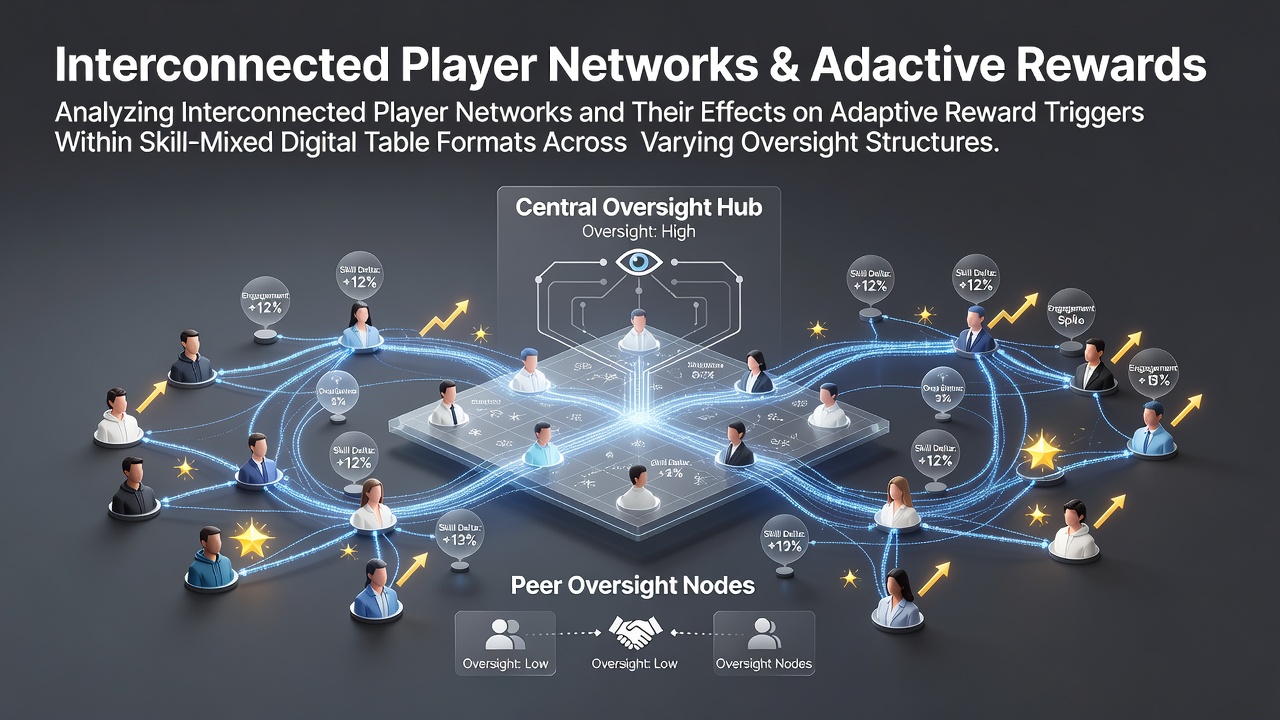
Digital table formats that blend skill levels among participants have expanded rapidly by mid-2026, and analysts track how player connections shape reward systems that adjust in real time. Interconnected networks form when users join shared sessions across platforms, creating data streams that operators feed into algorithms designed to modify bonuses, multipliers, and payout thresholds based on collective activity patterns. These adaptive triggers respond to metrics such as session duration, win rates within mixed-skill groups, and cross-player interactions, while different regulatory environments dictate the boundaries for data collection and reward automation.
Network Structures in Skill-Mixed Tables
Skill-mixed digital tables combine participants with varying expertise levels in games like poker variants, blackjack derivatives, and baccarat hybrids, and network analysis reveals clusters where high-skill players frequently interact with recreational users. Data from platform telemetry shows that these interactions generate feedback loops, with reward triggers scaling payouts when participation density reaches certain thresholds. Researchers at institutions studying gaming behavior note that node density within these networks correlates with increased trigger frequency, since algorithms interpret higher connectivity as sustained engagement signals. Oversight bodies in multiple jurisdictions require transparency reports on how such networks influence automated features, yet implementation varies by region and by the technical standards each authority enforces.
Adaptive Reward Mechanisms and Data Flows
Adaptive rewards operate through scripts that monitor live network activity and recalibrate incentives without manual intervention, and June 2026 reports indicate wider adoption of distributed ledger elements to log these adjustments for audit purposes. When a cluster of players in a mixed-skill session demonstrates prolonged interaction, the system may elevate bonus eligibility for peripheral participants, thereby extending session length across the broader graph. Studies conducted by academic groups examining behavioral economics in gaming environments document that reward sensitivity increases in jurisdictions with lighter reporting mandates, while stricter frameworks demand pre-approval for any dynamic adjustment that affects prize pools. External validation of these systems often draws on datasets shared with regulators such as those maintained by the Australian Gambling Research Centre, which compiles anonymized interaction logs from licensed operators.
Regulatory Variations Across Jurisdictions
Oversight structures differ markedly between North American, European, and Asian markets, and each framework imposes distinct constraints on how player network data may feed into reward engines. In markets with centralized licensing, operators submit network topology maps quarterly, allowing authorities to assess whether adaptive triggers inadvertently favor certain connectivity patterns over others. Elsewhere, decentralized models permit real-time modifications provided aggregate statistics remain within predefined risk parameters published by regional gaming associations. Figures released through the New Jersey Division of Gaming Enforcement in early 2026 illustrate that platforms operating under multi-state compacts record fewer reward recalibrations per session than those in single-jurisdiction environments, largely because harmonized rules require synchronized data thresholds across borders. Observers note that these differences produce measurable divergence in average reward density, with implications for player retention metrics tracked by independent analytics firms.
Technical Implementation and Compliance Mapping
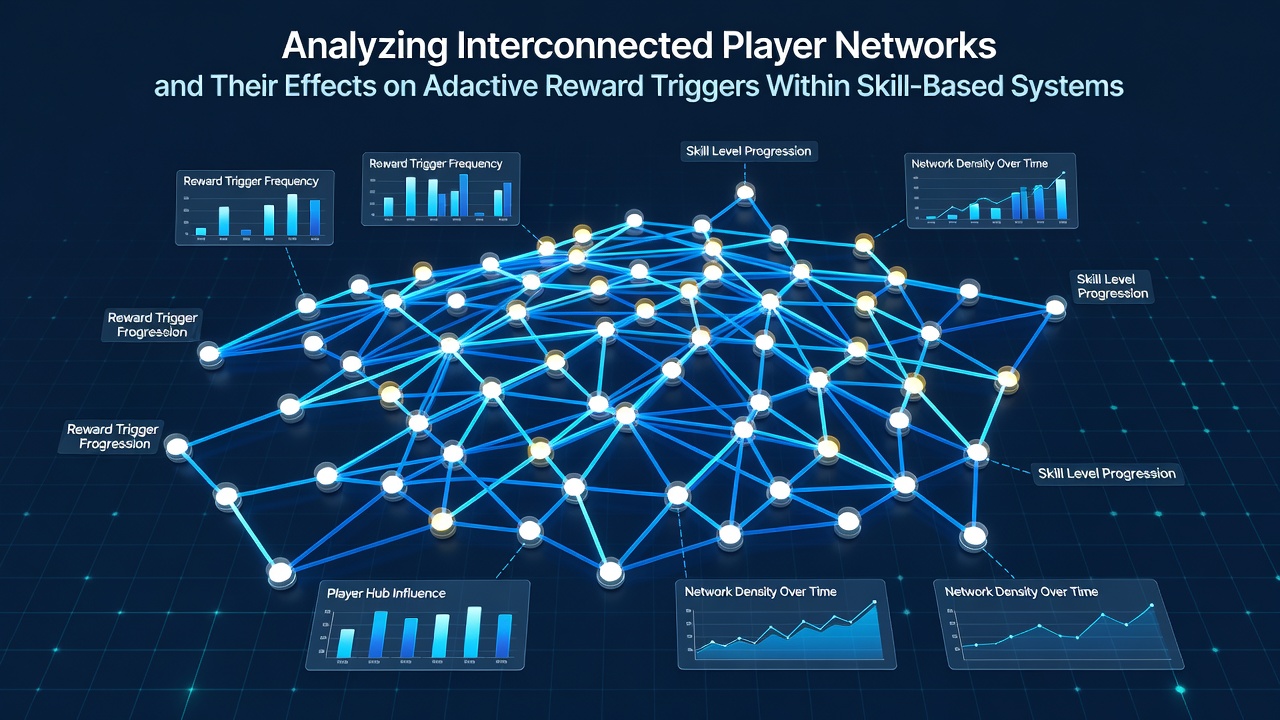
Operators deploy graph databases to model player interconnections and integrate these models with reward-trigger modules that execute conditional logic based on live metrics. Compliance teams map each trigger condition against the specific oversight requirements of every licensed market, producing decision trees that prevent activation when regulatory thresholds would be breached. Technical documentation shared among industry consortia shows that edge cases arise when cross-border sessions combine players subject to conflicting oversight rules, prompting platforms to default to the most restrictive parameter set active in the session. Research papers from university engineering departments highlight that latency in network synchronization can delay reward delivery by several seconds, an interval that remains within tolerance levels set by most authorities yet requires continuous monitoring through automated compliance dashboards.
Observed Patterns in 2026 Deployments
Platform telemetry aggregated across multiple operators during the first half of 2026 reveals consistent patterns in how network centrality influences reward frequency. Players positioned at network hubs receive adaptive adjustments more often than peripheral participants, a distribution that aligns with engagement forecasts submitted to regulators. Industry working groups have circulated anonymized case studies demonstrating that skill-mixed tables employing these systems sustain longer average session times compared with static reward models, though exact deltas depend on the stringency of local oversight. Data indicates that markets requiring public disclosure of trigger algorithms experience slower iteration cycles, since each modification must undergo review before deployment, whereas jurisdictions permitting post-implementation audits allow faster refinement of network-responsive logic.
Conclusion
Interconnected player networks continue to shape adaptive reward triggers in skill-mixed digital table environments, and the effects manifest differently according to the oversight structures governing each jurisdiction. Technical architectures that support real-time graph analysis enable operators to calibrate incentives dynamically, while regulatory mapping ensures alignment with varying compliance demands. Continued collection of network and reward data through established reporting channels provides the empirical foundation for ongoing refinement across global markets.